
Eco-friendly moving explained
What makes a removal more eco-friendly?
The biggest environmental impacts of moving house are the fuel used by vehicles and the materials used for packing. An eco-friendly removal reduces both — by planning efficient journeys, avoiding unnecessary trips and reusing materials wherever possible.
Fewer miles, fewer trips
Choosing the right-sized vehicle is one of the most effective ways to cut emissions. A van that's too small means multiple journeys; one that's too big wastes fuel. We assess the volume of your belongings before moving day and plan a single, efficient trip wherever possible. Flexible dates also help us combine routes and avoid wasted miles.
Reuse before recycle
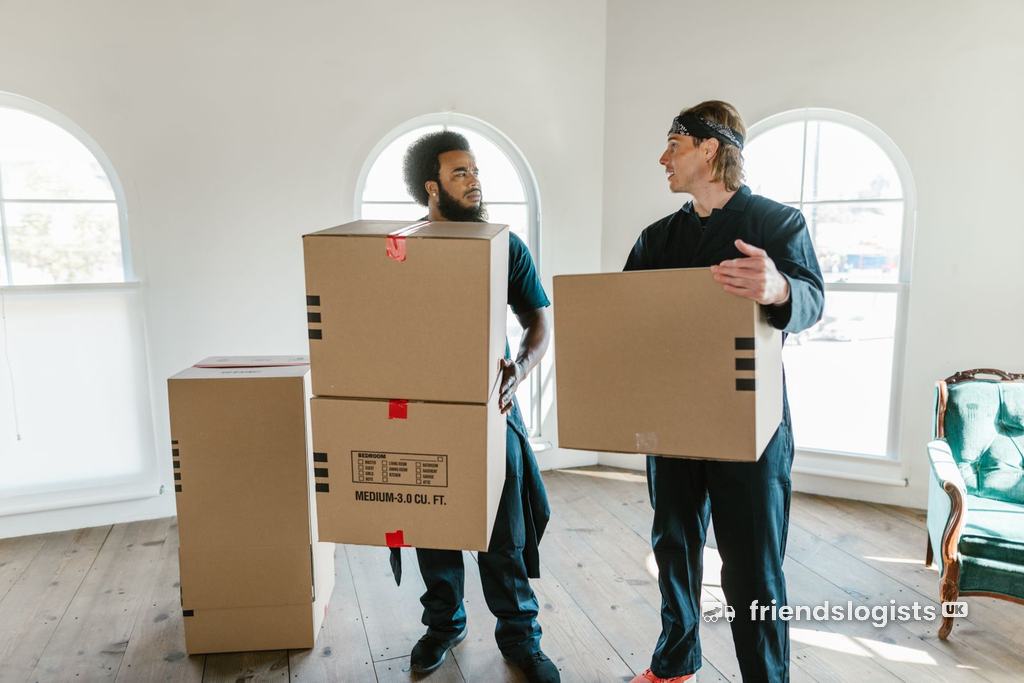
Our furniture blankets, covers and straps are used on job after job. After your move, we can collect used boxes so they can be reused. Where materials can't be reused, cardboard and paper are recycled.
Declutter responsibly
Moving is the perfect time to declutter — and the less you move, the lower the impact (and the cost). Before your move:
- Sell good-quality furniture and electricals on local marketplaces.
- Donate clothes, books and homeware to local charity shops.
- Use your council's household waste and recycling centres for items that can't be reused.
Greener packing materials
Choose strong, reusable boxes over flimsy ones that tear after one use, use towels, bedding and clothes to wrap fragile items instead of plastic, and ask us about returning boxes after your move.